
Кто выиграет в матче? Как читать футбольную статистику
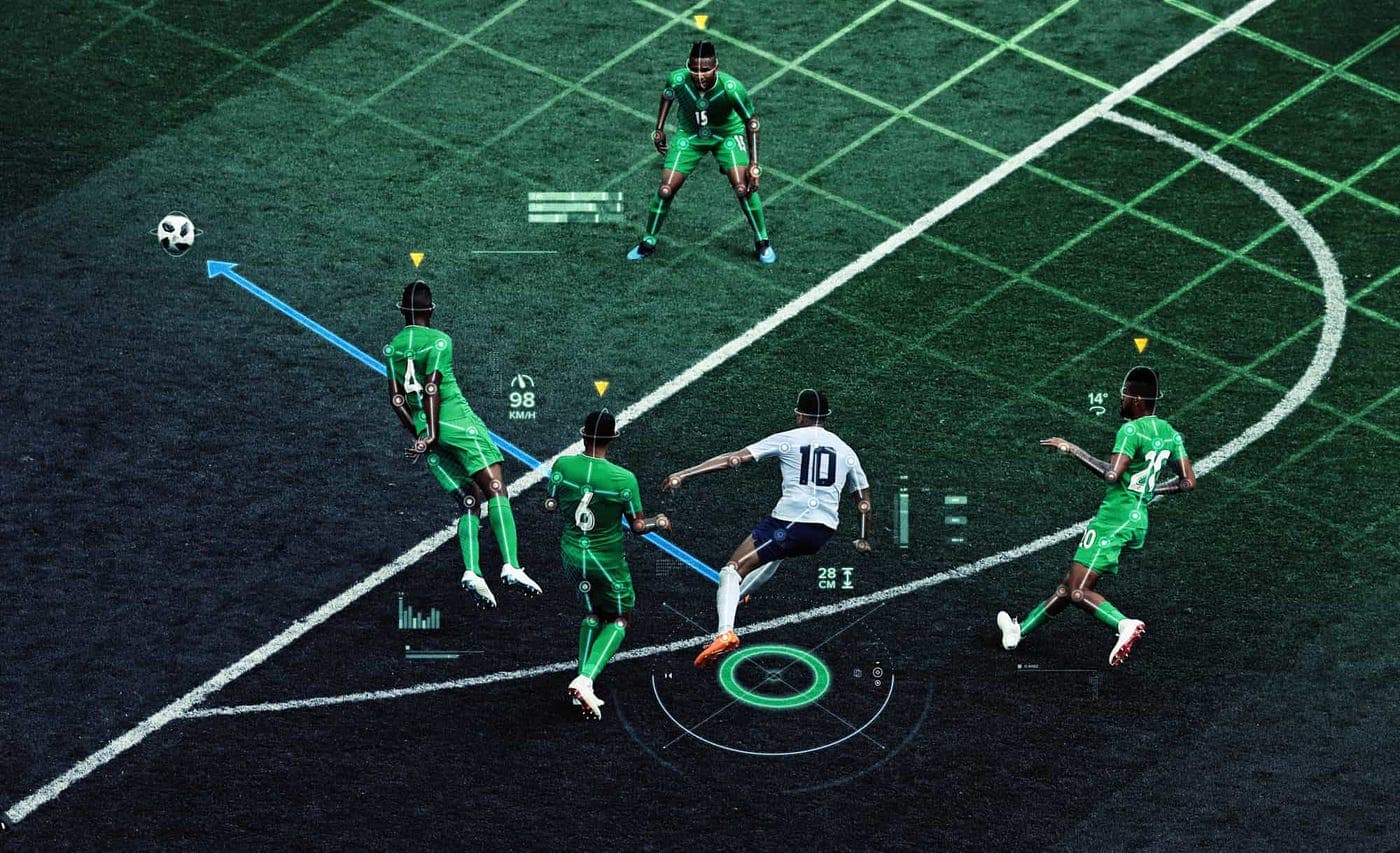
Используя продвинутые метрики вроде xG и Field Tilt, можно отсечь информационный шум и делать прогнозы на основе вероятности, а не эмоций.
Содержание статьи
В мире футбола, где один случайный рикошет может решить судьбу миллионов, статистика стала надежным навигатором для тех, кто хочет видеть игру глубже, чем просто счет на табло. Но как среди сотен цифр найти те, что действительно помогают предсказать победителя? В этой статье разберем, как аналитики читают отчеты и какие метрики помогают находить валуйные ситуации.
Проблема «грязных» данных
Традиционные показатели, такие как процент владения мячом или общее количество ударов, часто описывают объем, но не качество. Команда может владеть мячом 70% времени и не создавать опасных моментов, тогда как соперник с тремя ударами получит два выхода один на один.
Чтобы понять, кто действительно доминирует, используют Field Tilt — долю владения в финальной трети поля. Если у команды Field Tilt 65%, это означает устойчивое давление у ворот соперника независимо от общего владения.
Ожидаемые голы (xG)
Метрика xG оценивает вероятность каждого удара стать голом по шкале от 0 до 1. Дальний удар через плотную оборону может иметь xG 0.02, а удар в пустые ворота с линии вратарской — xG 0.95.
Суммарный xG за матч помогает оценить реальную картину. Если игра завершилась 0:1, но по xG было 2.4 : 0.6, это сигнал, что проигравшая команда создала больше качественных моментов и могла уступить из-за дисперсии.
Как использовать данные для прогноза
Сравните xG и реальные голы за последние 5-10 матчей. Если команда забивает заметно больше, чем создает по xG, она может быть на перегретом отрезке. Если наоборот, вероятен скорый откат к более высокой результативности.
Оцените интенсивность прессинга через PPDA. Команды с низким PPDA чаще вынуждают соперника ошибаться в опасных зонах и получают дополнительные шансы.
Учитывайте кадровую ситуацию. Статистика без контекста травм дает искаженный вывод: отсутствие ключевого опорного полузащитника способно резко увеличить xG соперника.
Смотрите разницу Home/Away. У ряда команд домашние и выездные паттерны сильно отличаются из-за темпа, поля и модели игры.
Вывод
Чтение футбольной статистики — это не поиск одной магической цифры, а умение видеть закономерности. Используйте xG, Field Tilt и контекст состава, чтобы принимать решения на базе вероятностей и длинной дистанции.
Похожие статьи
Изучите дополнительные материалы по теме, чтобы глубже разобрать матч и метрики.
6 июля 2026 г.
Испания - Португалия на ЧМ-2026: где искать преимущество в дерби 1/8 финала
Иберийское дерби 6 июля в Далласе - главный тест для моделей: темп Испании, переходы Португалии и цена первого гола в плей-офф.
6 июля 2026 г.
xG и тоталы на ЧМ-2026: как искать Over/Under без ловушек счета
Счет матча часто обманывает сильнее, чем качество моментов. Показываем, как использовать xG, темп и состояние матча для ставок на тоталы.
15 марта 2026 г.
Прогноз на матч Барселона — Севилья на 15 марта 2026
Бесплатный прогноз на футбол от профессионалов: Барселона принимает Севилью. Анализ домашней серии Барсы, травм и математическая вероятность по модели AI.